
PILOTAGE SERVICE
OCEAN ASIA LIMITED provides pilotage services to all foreign-flag vessels from Kutubdia (OPL) to Chattogram Outer Anchorage, and during the vessel’s cargo discharging program at anchorage, ensuring safe navigation and avoidance of collision.
Our experienced and well-qualified pilots, supported by master mariners, assist vessels in safely navigating from Kutubdia to the anchorage area and in dropping anchor at the overcrowded Alpha Anchorage without incident. Our pilotage services are available 24 hours a day, 365 days a year, including during adverse weather conditions.
Although Chattogram Outer Anchorage is generally safe for navigation, vessels require extra caution due to strong spring, flood, and monsoon tides, as well as silted shallow areas, which frequently cause anchor dragging. In such conditions, shipowners and charterers often require professional pilotage assistance to ensure the safety of the vessel, crew, and cargo.
We are fully committed to assisting the vessel’s Master with expert navigational support at all times. Below is our scope of pilotage services for the Port of Chattogram:
- INWARD Pilotage from Kutubdia (OPL) to Chittagong Outer anchorage (Bay Pilotage).
- OUTWARD Pilotage from Chittagong Outer Anchorage to Kutubdia Anchorage.
- STANDBY Pilot during the course of cargo discharging program.
- Beaching: Ship beaching and approaches to scrap yard.
There are three Inner Anchorages at Chattogram Port, namely Alpha, Bravo, and Charlie Anchorage.
- Alpha Anchorage: Maximum permissible draft generally ranges between 10.0 m to 11.5 m
- Bravo Anchorage: Maximum permissible draft generally ranges between 9.0 m to 10.0 m
Charlie Anchorage: Maximum permissible draft is generally up to 9.0 m
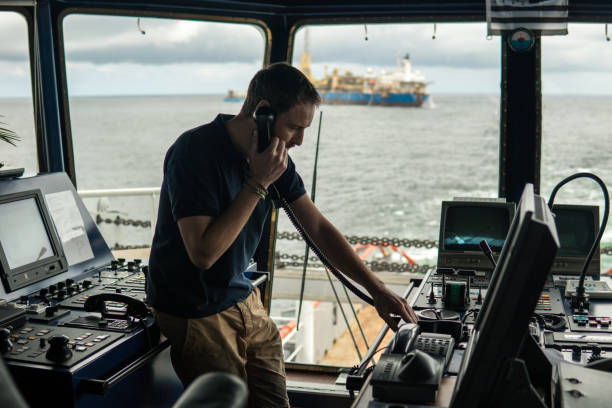
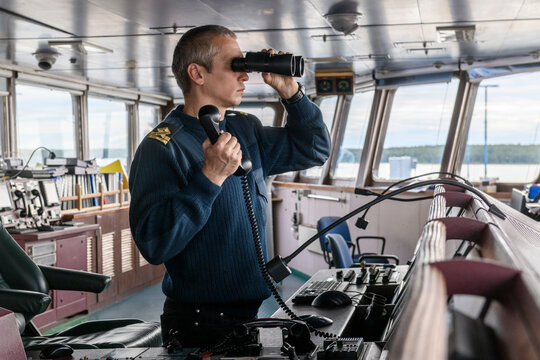
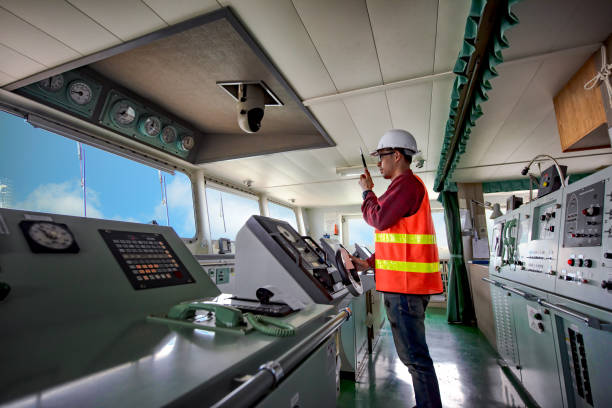
All inner anchorages are highly congested, making it extremely difficult to select a suitable anchoring position while maintaining a minimum clearance of five (05) cables from other vessels.
During vessel shifting from Kutubdia to Chattogram Alpha/Bravo/Charlie Anchorage, every vessel must pass through a shallow water patch with a depth of approximately 8.5 meters. Therefore, vessel movement must strictly follow local tidal conditions, and it is essential to have precise knowledge of tidal windows and peak current speeds.
The Master of the vessel must carefully select an appropriate anchoring position, taking into consideration the vessel’s draft, in order to avoid excessive current pressure caused by land slope effects and local hydrodynamic anomalies.
The Chattogram Inner Anchorage contains more than ten (10) wrecks, and much of the seabed consists of soft mud, resulting in very poor anchor holding ground. Consequently, the risk of anchor dragging is extremely high (up to 90%), particularly when current, wind, sea, and swell act in the same direction.
A minimum clearance of five (05) cables from other vessels is mandatory at all times.
It is strongly recommended that:
- The bridge is continuously manned
- VHF Channels 12 and 16 are monitored at all times
- Radar is kept ON
- Main Engine remains on standby at all times while at anchorage
When navigating within or passing through the Alpha / Bravo / Charlie Anchorage areas, vessels should avoid turning or passing ahead of any vessel due to:
- Very strong currents at times
- Combined effects of wind, sea, and swell
- Anchor chains of nearby vessels
- Poor steering response in certain areas caused by limited under-keel clearance (UKC)
Strict adherence to the above precautions is essential to ensure safe navigation and to prevent collision or anchor dragging incidents.